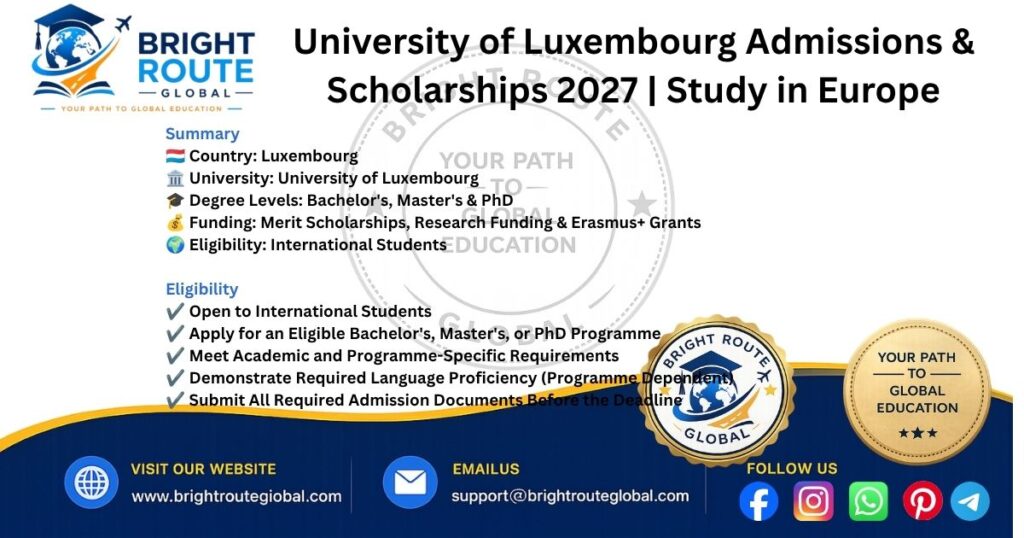
University of Luxembourg Admissions & Scholarships 2027 | Study in Luxembourg
Discover University of Luxembourg Scholarships 2027. Learn about admissions, eligibility, scholarships, application steps, and opportunities for students.
Studying in Europe offers students access to internationally recognized qualifications, multicultural learning environments, affordable education, and outstanding career opportunities. Among Europe’s most innovative public universities, the University of Luxembourg has built a strong reputation for research excellence, multilingual education, and close collaboration with international institutions and industries.
Unlike many traditional European universities, the University of Luxembourg combines small class sizes, personalized academic support, cutting-edge research, and strong international partnerships. Located in the heart of Europe, the university provides students with easy access to neighboring countries such as France, Germany, and Belgium while preparing graduates for careers in global organizations, research institutions, and multinational companies.
For the 2027 academic year, the University of Luxembourg welcomes applications from talented international students for Bachelor’s, Master’s, and Doctoral programmes. The university also provides several scholarship opportunities, faculty-specific funding, research grants, Erasmus+ mobility funding, and financial assistance for eligible students, making it an attractive destination for students seeking quality education in Europe.
This comprehensive guide explains everything you need to know about University of Luxembourg Admissions & Scholarships 2027, including available degree programmes, scholarship opportunities, eligibility criteria, admission requirements, required documents, and practical advice for international applicants.
University Overview
| Category | Details |
|---|---|
| University | University of Luxembourg |
| Country | Luxembourg |
| Intake | 2027 Academic Year |
| Degree Levels | Bachelor’s, Master’s & PhD |
| Eligible Applicants | Domestic & International Students |
| Scholarship Types | Merit Scholarships, Faculty Scholarships, Research Funding, Erasmus+, Financial Aid |
| Application Mode | Online |
| Language of Instruction | English, French, German & Multilingual Programmes |
About the University of Luxembourg
Established in 2003, the University of Luxembourg is the country’s only public university and has rapidly become one of Europe’s most international research universities. Although relatively young, it has developed an excellent academic reputation through interdisciplinary education, international collaboration, and research-driven teaching.
The university consists of several faculties and interdisciplinary centres that focus on solving global challenges through innovation and scientific research. Students benefit from modern laboratories, digital learning technologies, international exchange programmes, and opportunities to work alongside leading researchers.
One of the university’s unique strengths is its multilingual education system. Depending on the programme, courses may be taught in English, French, German, or a combination of these languages, providing graduates with valuable multilingual skills that are highly sought after by employers across Europe.
Why Study at the University of Luxembourg?
Choosing a university is one of the most important decisions for any international student. The University of Luxembourg offers a combination of academic quality, affordability, research opportunities, and an international learning environment that distinguishes it from many other European institutions.
International Learning Environment
Students from more than one hundred countries study at the University of Luxembourg, creating a diverse campus where cultures, languages, and ideas come together. This international atmosphere encourages collaboration, networking, and cross-cultural communication.
Research-Focused Education
Teaching is closely connected with research. Students gain practical experience by participating in innovative projects in areas such as technology, sustainability, health, finance, law, and artificial intelligence.
Strategic European Location
Luxembourg is located at the heart of Europe, making it easy for students to travel and collaborate across the European Union. Its strong economy and international business environment provide valuable internship and employment opportunities.
Modern Campus Facilities
Students have access to:
- Advanced research laboratories
- Smart classrooms
- Digital libraries
- Innovation and entrepreneurship centres
- Career development services
- Student support and counselling
- International exchange programmes
Excellent Graduate Employability
Graduates benefit from strong connections with European institutions, multinational companies, financial organizations, technology firms, and research centres. Many students secure internships during their studies, improving their career prospects after graduation.
Scholarships and Financial Support
One reason many international students choose the University of Luxembourg is the availability of financial support. Rather than relying on a single scholarship programme, the university offers several funding opportunities through faculties, research projects, university foundations, and international partnerships.
Depending on the programme and eligibility, students may have access to:
| Scholarship Type | Description |
|---|---|
| University Merit Scholarships | Awarded to high-achieving students based on academic performance. |
| Faculty-Specific Scholarships | Available through individual faculties for selected programmes. |
| Doctoral Research Funding | Financial support for eligible PhD researchers working on funded research projects. |
| Erasmus+ Grants | Funding for eligible exchange and mobility students. |
| Student Hardship Fund | Emergency financial assistance for students facing unexpected financial difficulties. |
| External Scholarships | Government and partner organization funding opportunities. |
Unlike many universities that advertise one large scholarship, the University of Luxembourg encourages students to explore programme-specific and faculty-specific funding options in addition to national and European scholarship schemes.
Degree Levels Available
International students can apply for programmes at different academic levels.
| Degree Level | Available |
|---|---|
| Bachelor’s Degree | ✔ |
| Master’s Degree | ✔ |
| PhD / Doctoral Programmes | ✔ |
| Continuing Education | ✔ |
Popular Areas of Study
Rather than offering hundreds of unrelated programmes, the University of Luxembourg focuses on high-demand disciplines with strong research and employment outcomes.
Major study areas include:
- Computer Science & Artificial Intelligence
- Data Science & Digital Technologies
- Finance, Economics & Business
- Law & European Studies
- Engineering & Sustainable Development
- Health & Life Sciences
These programmes combine academic theory with practical learning, research, and industry collaboration, making graduates highly competitive in the European and global job markets.
Eligibility Criteria
Admission requirements differ by programme and applicant background, but most international applicants should expect to meet the following general requirements:
- Hold the required academic qualification for the selected degree level.
- Meet programme-specific academic prerequisites.
- Demonstrate proficiency in the required teaching language(s), which may include English, French, German, or a combination depending on the programme.
- Submit a complete online application before the programme deadline.
- Provide all required supporting documents and certified academic records.
Applicants from outside the European Union may also need to complete additional document recognition and immigration procedures before enrolment.

Required Documents
Preparing documents early helps avoid delays during the admission process.
| Document | Required |
|---|---|
| Online Application Form | ✔ |
| Valid Passport | ✔ |
| Academic Certificates | ✔ |
| Official Academic Transcripts | ✔ |
| Proof of Language Proficiency (Programme Dependent) | ✔ |
| Curriculum Vitae (Graduate Programmes) | ✔ |
| Statement of Purpose or Motivation Letter | Programme Dependent |
| Recommendation Letters | Selected Programmes |
| Research Proposal | PhD Applicants |
| Passport-Size Photograph | ✔ |
Depending on your nationality and chosen programme, additional documentation related to diploma recognition or immigration procedures may also be requested.
Tips Before Applying
Because many study-abroad websites publish only basic admission information, applicants often miss important details that affect their chances of admission. Consider these practical recommendations:
- Compare several programmes before selecting the one that best matches your academic background and career goals.
- Carefully check the teaching language, as some programmes are multilingual and require proficiency in more than one language.
- Verify whether your previous qualification requires official recognition before admission.
- Prepare certified translations if your academic documents are not in an accepted language.
- Write a personalized motivation letter explaining why the University of Luxembourg fits your academic objectives.
- Begin collecting recommendation letters well in advance.
- Research faculty-specific scholarships in addition to university-wide funding opportunities.
- Keep scanned copies of every document in high quality for online submission.
- Submit your application early instead of waiting until the deadline, allowing sufficient time to resolve any document requests from the admissions office.
Step-by-Step Application Process
The University of Luxembourg has an online application system designed to make the admission process straightforward for both European and international students. Since admission requirements may vary by programme, applicants should carefully review the specific requirements before beginning their application. Starting early gives you enough time to prepare documents, meet language requirements, and apply for scholarships or financial aid if available.
Application Process
| Step | Detailed Action |
|---|---|
| Step 1: Explore Available Programmes | Visit the University of Luxembourg programme catalogue and compare Bachelor’s, Master’s, or PhD programmes. Review the curriculum, language of instruction, tuition fees, career prospects, and programme-specific admission requirements before selecting your preferred course. |
| Step 2: Verify Admission Requirements | Carefully read the academic entry requirements, prerequisite subjects, language requirements, and any additional conditions. Some programmes are taught entirely in English, while others require proficiency in French, German, or multiple languages. |
| Step 3: Check Scholarship Opportunities | Before applying, research all available scholarships, faculty funding, Erasmus+ opportunities, and research grants. Review eligibility requirements and note whether a separate scholarship application is necessary. |
| Step 4: Prepare Required Documents | Collect your passport, academic certificates, official transcripts, language proficiency certificates, CV, motivation letter, recommendation letters, and any programme-specific documents. Ensure documents are translated into an accepted language if required and scanned in high quality. |
| Step 5: Create an Online Applicant Account | Register on the University’s online admission portal using a valid email address. This account will allow you to submit your application, upload documents, monitor your application status, and receive official notifications. |
| Step 6: Complete the Online Application Form | Fill in your personal information, educational background, work experience (if applicable), programme selection, language qualifications, and other requested details accurately. Double-check all entries before proceeding. |
| Step 7: Upload Supporting Documents | Upload every required document in the correct format and ensure that each file is clear and readable. Incomplete or incorrect documentation may delay the admission process or result in an incomplete application. |
| Step 8: Submit Your Application | Review your application thoroughly before submission. Once submitted, save your confirmation email and application reference number for future communication with the admissions office. |
| Step 9: Track Your Application | Regularly check your applicant portal and email for updates. The admissions team may request additional documents, clarification, or verification during the evaluation process. Respond promptly to avoid delays. |
| Step 10: Receive the Admission Decision | Successful applicants will receive either a conditional or unconditional admission offer, depending on whether additional requirements must still be fulfilled. Carefully read the offer letter and complete any outstanding conditions within the specified deadline. |
| Step 11: Confirm Your Enrollment | Accept your admission offer by following the university’s enrollment instructions. Complete any required administrative procedures, pay applicable fees if necessary, and secure your place in the programme. |
| Step 12: Apply for a Luxembourg Student Visa and Prepare for Arrival | Non-EU/EEA students should begin their visa or residence permit application immediately after receiving admission. Arrange accommodation, prepare financial documents, obtain health insurance if required, and plan your travel to Luxembourg before the semester begins. |
Admission Timeline
The University of Luxembourg follows annual admission cycles, although deadlines differ by programme and applicant category.
| Stage | Timeline |
|---|---|
| Applications Open | Announced Annually |
| Programme Deadlines | Vary by Programme |
| Application Review | After Submission |
| Admission Decisions | Following Evaluation |
| Enrollment | Before Semester Begins |
| Orientation | Prior to the Start of Classes |
Applicants should apply several months before their intended intake to allow sufficient time for document verification, visa processing, and travel arrangements.
Scholarship Selection Process
Scholarship selection depends on the specific funding programme. Most awards evaluate students using academic merit and programme eligibility.
Evaluation Criteria
| Criterion | Importance |
|---|---|
| Academic Performance | ⭐⭐⭐⭐⭐ |
| Motivation Letter | ⭐⭐⭐⭐ |
| Research Potential (Graduate Programmes) | ⭐⭐⭐⭐⭐ |
| Language Proficiency | ⭐⭐⭐⭐ |
| Recommendation Letters | ⭐⭐⭐⭐ |
| Overall Application Quality | ⭐⭐⭐⭐⭐ |
| Programme Eligibility | ⭐⭐⭐⭐⭐ |
Some scholarships are highly competitive and may have additional evaluation requirements.
Student Accommodation
The University of Luxembourg assists students in finding accommodation through university-managed residences and approved housing partners.
Accommodation options may include:
- University residences
- Shared student apartments
- Private rental housing
- Studio apartments
- Student housing provided by partner organizations
Most residences provide:
- Furnished rooms
- Internet access
- Shared kitchens
- Study areas
- Laundry facilities
- Secure access
- Convenient public transport connections
Accommodation demand is high, so students are encouraged to apply as soon as they receive an admission offer.
Estimated Living Costs in Luxembourg
Luxembourg offers an excellent quality of life, although living expenses can be higher than in many European countries.
| Expense | Estimated Monthly Cost (EUR) |
|---|---|
| Accommodation | €700–1,200 |
| Food & Groceries | €250–450 |
| Transportation | Free Public Transport (most services) |
| Study Materials | €40–100 |
| Health Insurance | Depending on Status |
| Personal Expenses | €200–400 |
Actual expenses vary depending on lifestyle and accommodation choices.
Luxembourg Student Visa Guide
Students from outside the EU/EEA generally require a student residence permit before beginning their studies.
Typical required documents include:
| Document | Purpose |
|---|---|
| Valid Passport | Identity Verification |
| University Admission Letter | Proof of Admission |
| Proof of Financial Resources | Demonstrates Ability to Cover Living Costs |
| Health Insurance | Immigration Requirement |
| Accommodation Details | Residence Verification |
| Passport Photographs | Residence Permit Processing |
| Completed Immigration Forms | Official Application |
Applicants should always follow the latest immigration guidance issued by the Luxembourg authorities.
Tips from Successful Applicants
Students who have successfully secured admission often recommend:
- Research your chosen programme thoroughly before applying.
- Apply well before the official deadline.
- Write a personalised and well-structured motivation letter.
- Ensure all academic documents are complete and correctly translated.
- Prepare language test results early if required.
- Explore faculty-specific scholarships in addition to university-wide funding.
- Monitor your applicant portal regularly after submission.
- Begin your visa application immediately after receiving your admission offer.
Common Mistakes to Avoid
Avoid these common mistakes when applying:
- Waiting until the final application deadline.
- Uploading incomplete or low-quality documents.
- Ignoring programme-specific language requirements.
- Submitting a generic motivation letter.
- Forgetting to check scholarship eligibility.
- Delaying accommodation applications.
- Missing requests for additional documents from the admissions office.
Frequently Asked Questions (FAQs)
1. Who can apply to the University of Luxembourg?
Students from Luxembourg and around the world who meet the admission requirements for their chosen programme.
2. Does the University of Luxembourg offer scholarships?
Yes. The university offers merit-based scholarships, faculty funding, doctoral research support, Erasmus+ grants, and other financial assistance for eligible students.
3. Is the university public?
Yes. The University of Luxembourg is the country’s only public university.
4. Is IELTS required?
Some English-taught programmes require proof of English proficiency. Other programmes may require French or German language proficiency, depending on the language of instruction.
5. Can international students apply for Bachelor’s programmes?
Yes. International students can apply for Bachelor’s, Master’s, and PhD programmes, provided they meet the relevant admission criteria.
6. Is student accommodation available?
Yes. The university supports students with university residences and other approved accommodation options, subject to availability.
7. Can students work while studying?
International students should follow the employment regulations applicable to their residence status and Luxembourg’s immigration rules.
8. Why choose the University of Luxembourg?
The university offers multilingual education, internationally recognized degrees, strong research opportunities, modern facilities, and access to one of Europe’s leading financial and innovation hubs.
9. Are scholarships automatically awarded?
Some funding opportunities automatically consider eligible applicants, while others require separate applications. Always review the specific scholarship requirements.
10. Where can I find official information?
Applicants should refer to the official University of Luxembourg website for the latest admission requirements, scholarship opportunities, programme details, and deadlines.
Conclusion
The University of Luxembourg Admissions & Scholarships 2027 present an excellent opportunity for students seeking a high-quality European education in a multilingual and research-focused environment. With internationally recognized degrees, modern learning facilities, strong industry partnerships, and a variety of scholarship opportunities, the university offers outstanding academic and career prospects.
If you are planning to study in Luxembourg in 2027, begin preparing your application early, ensure all required documents are ready, and explore every available funding opportunity to strengthen your application and reduce your study costs.

Czech Government Scholarship 2027/28
Czech Government Scholarship 2027/28 for Developing Countries Scholarship Overview Learn...
Read More
Open Doors Russian Scholarship 2026–27
Open Doors Russian Scholarship 2026–27 Scholarship Overview Apply for the...
Read More
EMABG Erasmus Mundus Scholarship 2027
Apply for the EMABG Erasmus Mundus Master 2027 with €1,400/month...
Read More
Helmut Veith Stipend 2026 at Vienna, Austria
Helmut Veith Stipend 2026: €7,000 Scholarship at TU Wien Apply...
Read More
Open Doors Russian Scholarship 2026 | Study in Russia
Open Doors Russian Scholarship 2026: Study in Russia Apply for...
Read More
Sapienza University of Rome Scholarships 2026–27
Sapienza University of Rome Scholarships 2026–2027 Explore Sapienza University of...
Read More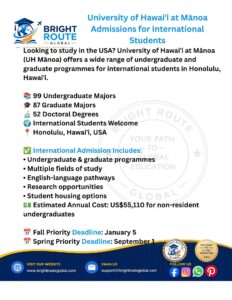
University of Hawaiʻi at Mānoa Admissions
University of Hawaiʻi at Mānoa Admissions for International Students Learn...
Read MoreSwiss Government Excellence Scholarships 2027–28
Swiss Government Excellence Scholarships 2027–2028 in Switzerland Apply for Swiss...
Read More
Czech Government Scholarship 2027/28
Czech Government Scholarship 2027/28 for Developing Countries Scholarship Overview Learn...
Read More
Open Doors Russian Scholarship 2026–27
Open Doors Russian Scholarship 2026–27 Scholarship Overview Apply for the...
Read More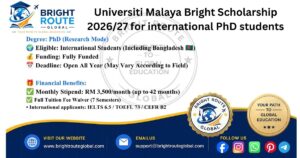
Universiti Malaya Bright Scholarship 2026/27
Universiti Malaya Bright Scholarship 2026/27 Apply for the UM Bright...
Read More
University of Manitoba Scholarships & Admissions 2027
University of Manitoba International Admissions & Scholarships 2027 Explore University...
Read More
EMABG Erasmus Mundus Scholarship 2027
Apply for the EMABG Erasmus Mundus Master 2027 with €1,400/month...
Read More
Helmut Veith Stipend 2026 at Vienna, Austria
Helmut Veith Stipend 2026: €7,000 Scholarship at TU Wien Apply...
Read More
Open Doors Russian Scholarship 2026 | Study in Russia
Open Doors Russian Scholarship 2026: Study in Russia Apply for...
Read More
Sapienza University of Rome Scholarships 2026–27
Sapienza University of Rome Scholarships 2026–2027 Explore Sapienza University of...
Read More